

PV-T (photovoltaic-thermal) panels generate electricity and capture heat from the same surface at the same time. A thermal collector beneath the solar cells harvests the waste heat that normally degrades PV performance, turning a weakness of conventional modules into a second energy product. Where a standard PV panel converts around 20% of sunlight into electricity, a PV-T panel reaches 70–80% combined efficiency once its thermal output is counted.
What does a PV-T panel actually do?
Conventional PV converts sunlight solely into electricity and sheds the rest as heat — heat that raises cell temperature and lowers output. A PV-T module captures that heat and puts it to work for domestic hot water, space heating or process heating, while the active heat removal keeps the cells cooler and their electrical yield higher (see do solar panels work better when cooled?). Dual output from one surface is the whole point: more energy, same roof.
Why are PV-T panels becoming essential?
Because roof space is the scarcest resource in the energy transition. In urban and commercial settings, PV-T can deliver up to 70% more energy than a traditional PV array occupying the same area, while cutting carbon emissions. There is a resilience argument too: with volatile energy prices, extreme weather and geopolitical tension straining centralized grids, businesses and communities that generate and manage their own electricity and heat locally are simply harder to disrupt. Self-sufficiency and decarbonization point at the same technology.
Where are PV-T panels used in practice?
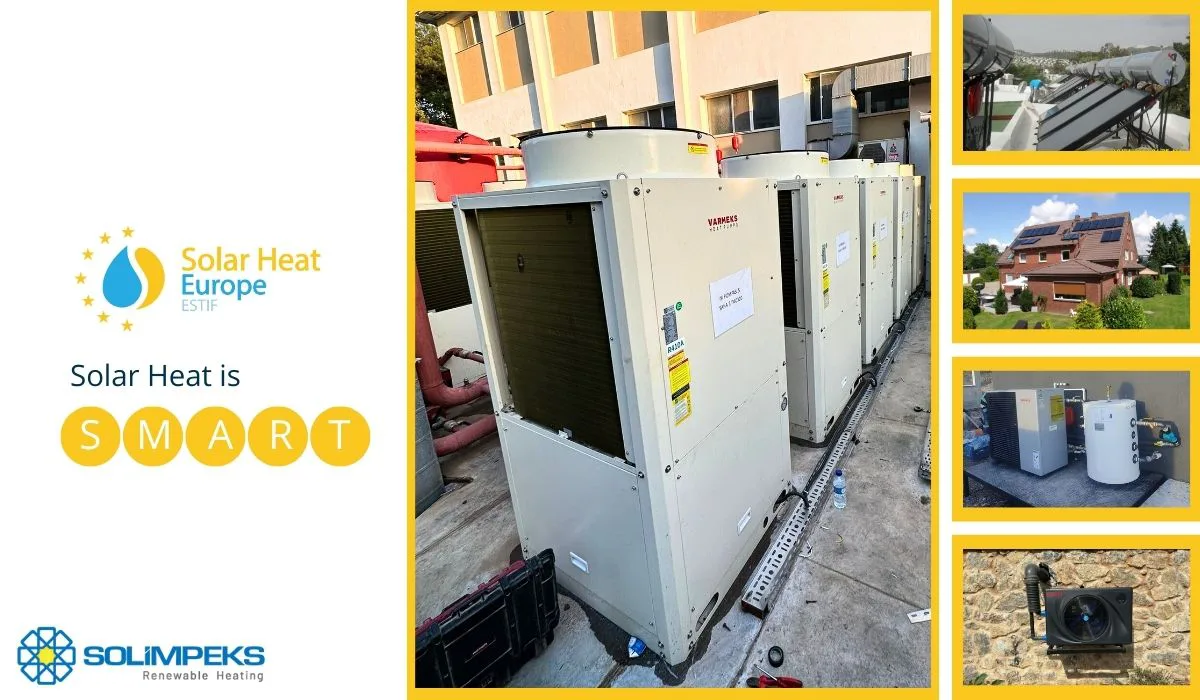
The versatility shows in the range of deployments. In industry, PV-T systems generate electricity and low-temperature process heat on site, cutting both energy costs and emissions. Dutch social housing projects use PV-T to supply electricity and thermal energy, helping residents approach net-zero energy bills. At remote off-grid sites such as mines, integrated PV-T can reduce diesel dependence by delivering process heat and power together. And in smart homes, PV-T pairs with storage and intelligent controls to maximize self-consumption across household power, heating and EV charging.
How do PV-T panels compare with separate PV and solar thermal?
| Criterion | Separate PV + solar thermal | PV-T hybrid | | --- | --- | --- | | Energy yield per m² | Baseline | +30–50% | | Roof area needed | Two separate systems | One integrated system | | Cell temperature | PV runs hot, losing output | Active cooling protects output | | Installation | Two subsystems to design and mount | Single install, lower complexity | | Panel lifespan | Thermal stress on hot PV | Lower operating temperature reduces stress |
For property owners the summary is simple: more energy per square metre, simpler installation, steadier output through hot periods and potentially longer panel life.
What innovations are coming?
Materials science is pushing both halves of the module — perovskite photovoltaics combined with high-performance thermal collectors promise higher conversion efficiencies, while automated, AI-driven manufacturing brings costs down. Hybrid battery-plus-thermal storage lets surplus energy be banked for round-the-clock renewable availability, and emerging applications couple PV-T with green hydrogen production and smart grid platforms. All of it points the same way: PV-T is set to play a central role in net-zero energy scenarios across residential, commercial and industrial sectors.
For the full technology breakdown — construction, hydraulics, sizing — see our PVT hybrid panels complete guide.