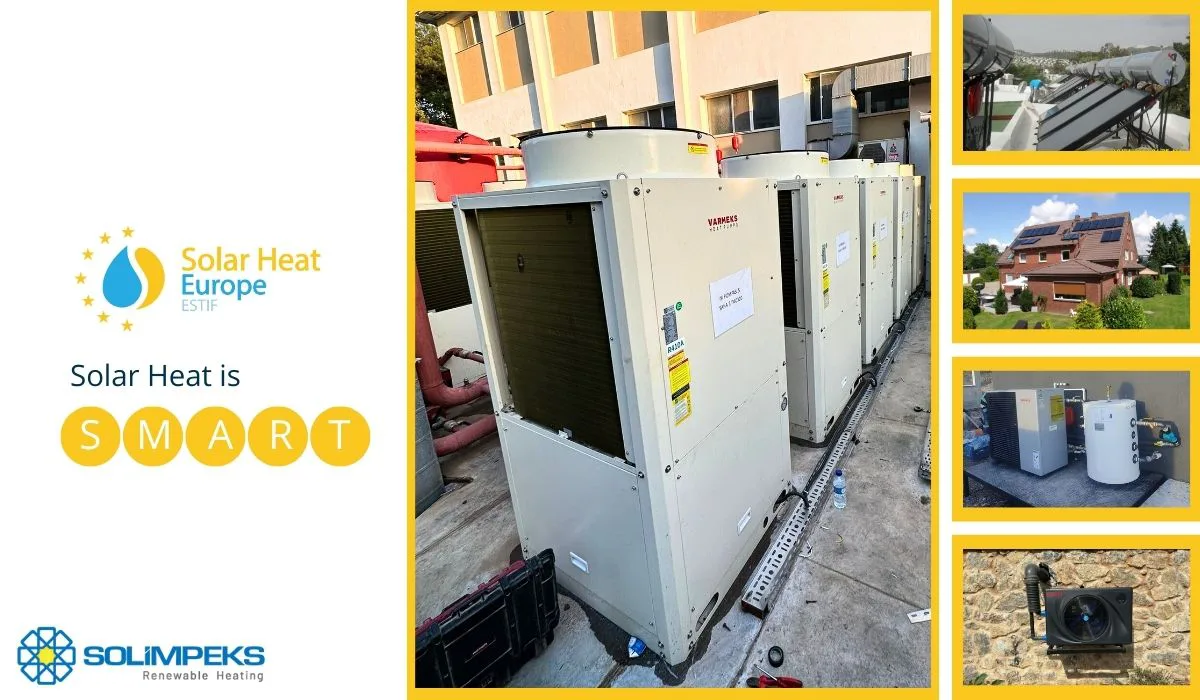


A PVT-assisted heat pump uses one hybrid module for two jobs: the photovoltaic cells generate the electricity that drives the heat pump, while the thermal absorber underneath preheats the heat pump's working fluid. That pairing delivers more useful energy than separate PV or solar thermal systems — and it makes the electrification of heating and cooling work harder, because renewable energy is generated and consumed on the same site, reducing dependence on the grid and on fossil fuels.
What makes PVT the fusion of heat and power?
A hybrid PVT panel combines PV cells with a thermal absorber that captures the residual heat conventional modules throw away. This solves two problems at once: total energy yield rises, and the PV cells stay cooler — which protects their electrical conversion efficiency (see do solar panels work better when cooled?).
| Technology | Typical solar conversion | | --- | --- | | Conventional PV | 15–20% (electricity only) | | PVT hybrid | 65–75% combined (electricity + heat) |
The thermal share serves domestic hot water, space heating or cooling applications, supporting nearly zero-energy building goals, while the diversified output helps balance grid supply and demand at peak times.
Why are heat pumps central to decarbonizing the grid?
Heat pumps deliver three to four units of heating or cooling per unit of electricity consumed — far beyond electric resistance heaters. Variable-speed compressors and smart controls have extended their effective range into cold climates, and every step of grid decarbonization — more wind, more solar — automatically cleans up their footprint further. Powered directly by PVT electricity, they become a scalable, cost-effective route to net-zero buildings.
How is a PVT-assisted heat pump project integrated in practice?
Successful deployment starts with a feasibility study of the building or district heating network — hybrid configurations can require substation upgrades to synchronize thermal and electrical flows. Grid compatibility matters too: smart inverters and energy management systems coordinate solar generation, storage and heat pump operation to maximize self-consumption and shave peak demand, while compliance with evolving European grid standards keeps energy export smooth and the system stable.
Real-time predictive algorithms then adapt heat pump operation to weather, user behavior and electricity tariffs. Thermal storage does the rest: a buffer tank decouples heat production from consumption peaks, lowering grid reliance and raising the share of renewable energy actually used on site. Together these techniques make PVT-assisted heat pumps highly scalable — useful for urban decarbonization and flexible demand-side management alike.
Which policies and market trends accelerate adoption?
In Europe, the Green Deal channels investment toward net-zero by 2050 with targeted support for solar and heat pump integration; in the United States, 2025 legislation cut back the Inflation Reduction Act's credits — residential credits ended with 2025 and the commercial solar credit is being phased out — leaving state and utility rebates as the main support. Beyond subsidies, digitalization, smart grid integration and advances in materials science keep improving performance and reliability, while business models like energy-as-a-service open the technology to customers who cannot fund the capital cost upfront.
What comes next for electrification?
Falling PV system costs and maturing storage — lithium-ion today, solid-state on the horizon — are turning solar from a supplemental source into a primary one. As manufacturing, installation and control systems for PVT-assisted heat pumps continue to improve, expect adoption to spread across residential, commercial and district-energy applications, cutting carbon footprints while advancing energy independence. For the mechanics of the coupling itself, see how does a PVT panel feed a heat pump?.