


R290 Heat Pumps: A New Era in Sustainable Heating
Discover why R290 is becoming an important choice for modern heat pumps and how it supports efficient, safe and sustainable heating systems.
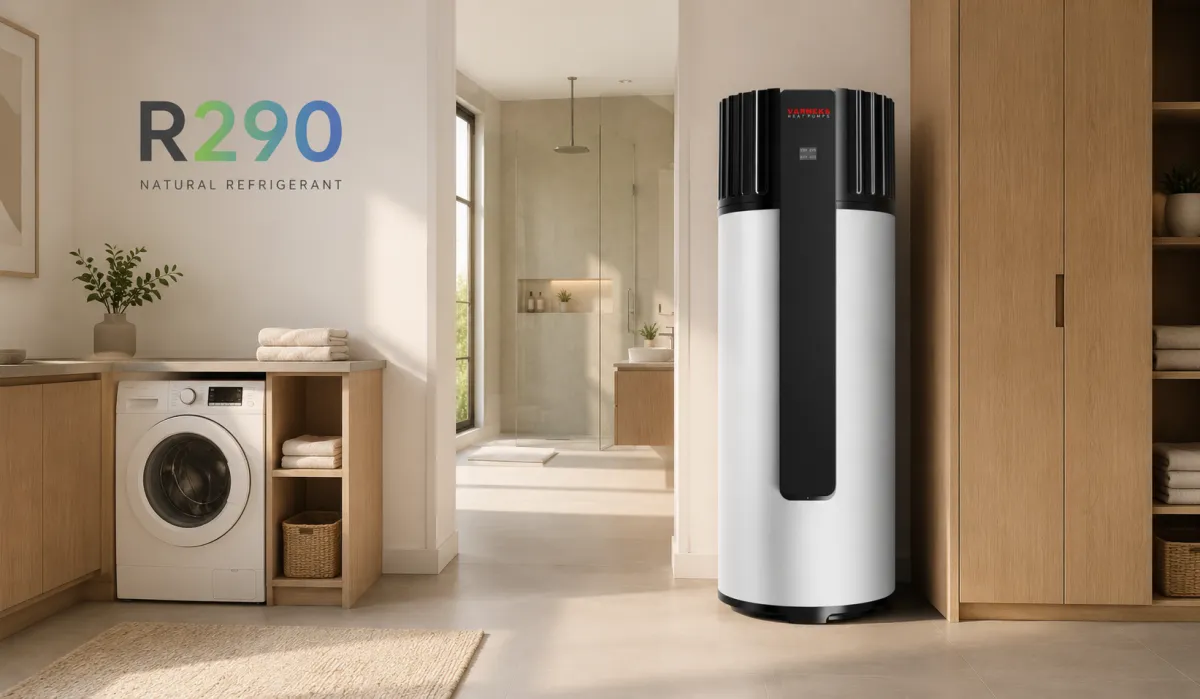
As heating and cooling systems become more energy efficient, the environmental impact of the refrigerant used inside the equipment is also gaining importance. One of the leading options in this transition is R290, a natural refrigerant. Also known as propane, R290 is increasingly used in residential and commercial heat pump applications because of its very low environmental impact, favourable thermodynamic properties and suitability for modern heating systems.
What Is R290 ?
R290 is the technical designation for refrigerant-grade propane. Because it is not a fluorinated greenhouse gas, it is classified as a natural refrigerant.
Compared with many conventional refrigerants, R290 has an exceptionally low Global Warming Potential. This supports the heating industry's transition toward lower-carbon and more environmentally responsible technologies.
European F-Gas regulations are progressively limiting the use of fluorinated refrigerants with higher climate impact. R290 is therefore becoming relevant not only for today's projects, but also for the long-term development of heat pump technology.

Advantages of R290 Heat Pumps
When used in a heat pump designed specifically for its operating characteristics, R290 can support efficient space heating, cooling and domestic hot water production.
✓ Very low global warming impact
✓ No ozone depletion potential
✓ Suitability for higher water-temperature applications
✓ Use in both residential and commercial systems
✓ Compatibility with integrated renewable energy solutions
✓ Long-term alignment with the transition away from high-impact refrigerants
However, refrigerant selection alone does not determine system efficiency. Building heat demand, insulation, flow temperature, hydraulic design and control settings all have a direct effect on real operating performance.
Where Can It Be Used ?
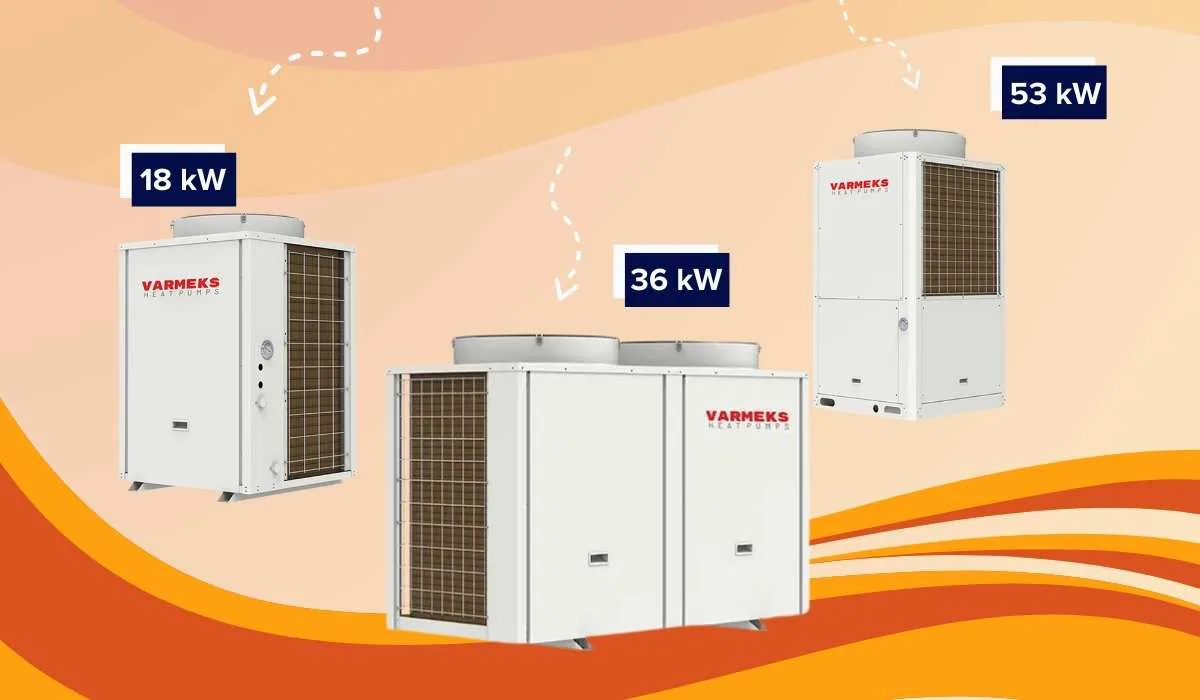
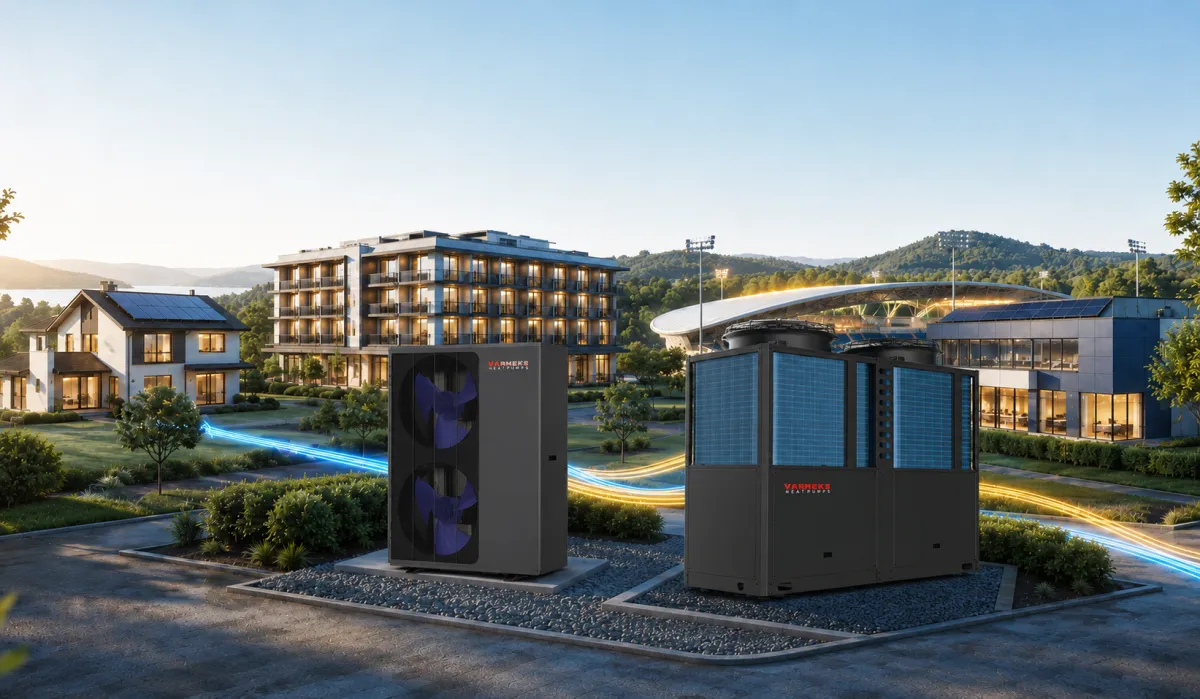
R290 heat pumps can be adapted to homes, villas, hotels, dormitories, sports facilities and commercial buildings. They can operate with underfloor heating, suitable radiator systems and fan coil units. Where domestic hot water is required, the heat pump can be integrated with an appropriately selected storage tank.
Combining the heat pump with buffer tanks, enamel-coated hot water tanks, solar energy systems and smart controls can create a more balanced and integrated energy solution.
Is R290 Safe ?
R290 has low toxicity but is flammable. Product design, equipment placement, installation and servicing must therefore follow refrigerant-specific safety requirements.
The unit should be installed in a well-ventilated area with unobstructed airflow, suitable drainage and adequate distance from potential ignition sources.
Installation, maintenance and refrigerant-circuit work must only be performed by trained and authorised personnel. Users must not attempt to open or repair the refrigerant circuit.
The Solimpeks System Approach
Solimpeks approaches a heat pump as part of a complete heating and hot water system rather than as an isolated device.
The heat pump, buffer tank, hot water storage, hydraulic circuit and control strategy are evaluated together according to project requirements. This system-level approach supports stable operation, energy efficiency, user comfort and long service life.
R290 has an important role in the future of sustainable heating. The best results, however, depend on professional design, safe installation and regular maintenance as much as on the refrigerant itself.