


Ein Pufferspeicher ist ein gedämmter Wasserspeicher, der zwischen Wärmeerzeuger und Heizkreis installiert wird. Er speichert technisches (nicht trinkbares) Heizungswasser, entkoppelt Wärmeerzeugung und Wärmebedarf, verhindert das Takten der Wärmepumpe und stellt das für Abtauzyklen nötige Wasservolumen bereit. Die typische Auslegung für Wärmepumpen liegt bei 20–50 Litern pro kW Heizleistung.
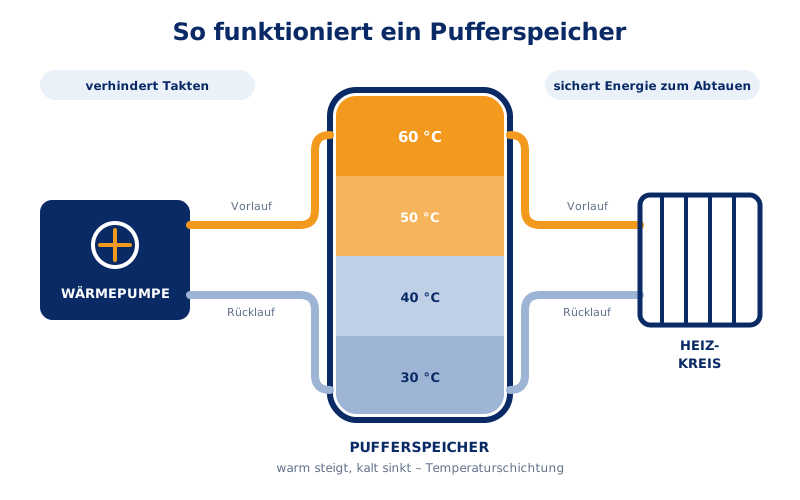
Was leistet ein Pufferspeicher eigentlich?
Eine Heizungsanlage braucht selten genau die Wärmemenge, die der Erzeuger gerade liefert. Der Pufferspeicher gleicht diese Differenz aus. Vier Aufgaben sind am wichtigsten:
- Takten verhindern. Verdichter halten am längsten bei langen, gleichmäßigen Laufzeiten. Ein Puffer erhöht das Anlagenvolumen, sodass die Wärmepumpe seltener startet – ein wesentlicher Faktor für Effizienz und Lebensdauer.
- Abtauenergie sicherstellen. Luft-Wärmepumpen kehren in regelmäßigen Abständen den Kreislauf um, um Eis am Verdampfer abzuschmelzen, und entziehen dabei dem Heizkreis Wärme. Der Puffer stellt sicher, dass diese Energie verfügbar ist, ohne dass die Räume auskühlen.
- Hydraulische Entkopplung. Mit einem Puffer können Erzeugerkreis und Heizflächenkreise mit unterschiedlichen Volumenströmen laufen – unerlässlich, wenn eine Wärmepumpe mit Solarthermie oder einem Kessel kombiniert wird.
- Erneuerbare Überschüsse speichern. Der Solarthermie-Ertrag erreicht mittags seinen Höhepunkt, der Bedarf abends. Der Puffer überbrückt die Lücke.
Pufferspeicher und Warmwasserspeicher: nicht dasselbe
Ein Pufferspeicher enthält Heizungswasser, das durch die Anlage zirkuliert und nie an einer Zapfstelle entnommen wird. Ein Trinkwarmwasserspeicher enthält Trinkwasser und muss die Hygieneanforderungen für Trinkwasser erfüllen – emaillierte oder Edelstahl-Oberflächen, Schutzanoden gegen Korrosion. Kombispeicher (etwa in Tank-in-Tank-Bauweise) setzen einen Trinkwasserbehälter in ein Puffervolumen und erfüllen so beide Aufgaben. Wie Trinkwasserspeicher geschützt werden, erfahren Sie unter Magnesiumanode.
Wie groß sollte ein Pufferspeicher sein?
| Anwendung | Faustregel |
|---|---|
| Wärmepumpe, Fußbodenheizung mit offenen Zonen | 12 – 20 L pro kW |
| Wärmepumpe, Heizkörpersystem / Zonenkreise | 20 – 50 L pro kW |
| Solarthermie-Kombianlage | 50 – 100 L pro m² Kollektorfläche |
| Biomassekessel | 55 – 100 L pro kW (häufig vorgeschrieben) |
Eine 8-kW-Wärmepumpe mit Heizkörpern wird daher typischerweise mit einem Pufferspeicher von 200–400 L kombiniert, etwa aus der Solibuffer-Serie. Überdimensionierung kostet Bereitschaftsverluste, Unterdimensionierung zusätzliche Verdichterstarts – eine Auslegung nach dem tatsächlichen Hydraulikkonzept ist jeder pauschalen Faustregel überlegen.
Braucht jede Wärmepumpe einen Pufferspeicher?
Nein – und das ist eine der meistdiskutierten Fragen der modernen Heizungshydraulik. Anlagen mit großen offenen Fußbodenheizkreisen und Inverter-Wärmepumpen können mitunter ohne Puffer laufen. Sobald jedoch Zonenventile Kreise absperren können, Heizkörper wenig Wasser enthalten oder die Abtauzuverlässigkeit in einem kalten Klima eine Rolle spielt, bleibt ein Puffer die sichere technische Antwort. Die vollständige Analyse finden Sie unter Brauche ich bei einer Wärmepumpe einen Pufferspeicher?
Häufig gestellte Fragen
Verschwendet ein Pufferspeicher Energie?
Ein gut gedämmter Puffer verliert überraschend wenig – moderne Speicher der ErP-Klasse B/C halten die Bereitschaftsverluste bei einem 300-L-Speicher auf etwa 1,5–2,5 kWh pro Tag, meist weit weniger als der Effizienzverlust durch Verdichtertakten in einer Anlage, die eigentlich einen Puffer bräuchte, aber ohne ihn betrieben wird.
Kann ein Speicher Heizung und Trinkwarmwasser bedienen?
Ja – Kombi- oder Hygienespeicher tun genau das, entweder mit einem innenliegenden Trinkwasserbehälter oder mit einem Edelstahl-Wellrohr, in dem das Trinkwasser im Durchlauf erwärmt wird. So vermeidet man legionellengefährdete Speichervolumina.
Wo wird der Puffer eingebunden – im Vorlauf oder im Rücklauf?
Beide Varianten gibt es. Puffer im Rücklauf schaffen vor allem Volumen für Taktung und Abtauung; Puffer im Vorlauf (als Trennpufferspeicher mit Weichenfunktion) entkoppeln Erzeuger- und Heizflächenkreise vollständig. Das Hydraulikschema sollte entscheiden, nicht die Gewohnheit.