

Die digitale Transformation verändert von Grund auf, wie emaillierte Speicher gefertigt werden. Automatisierte Produktionssysteme, Echtzeit-Datenanalyse und KI-gestützte Qualitätskontrolle erhöhen Präzision und Durchsatz und senken zugleich die Betriebskosten – und sie werden rasch zur Eintrittskarte, um zunehmend strenge Branchenstandards zu erfüllen. Die eigentliche Herausforderung ist nicht die Technik selbst: Es geht darum, neue Werkzeuge in bestehende Produktionslinien zu integrieren und eine Belegschaft aufzubauen, die sie bedienen kann.
Was ändert Industrie 4.0 tatsächlich an einer Fertigungslinie für emaillierte Speicher?
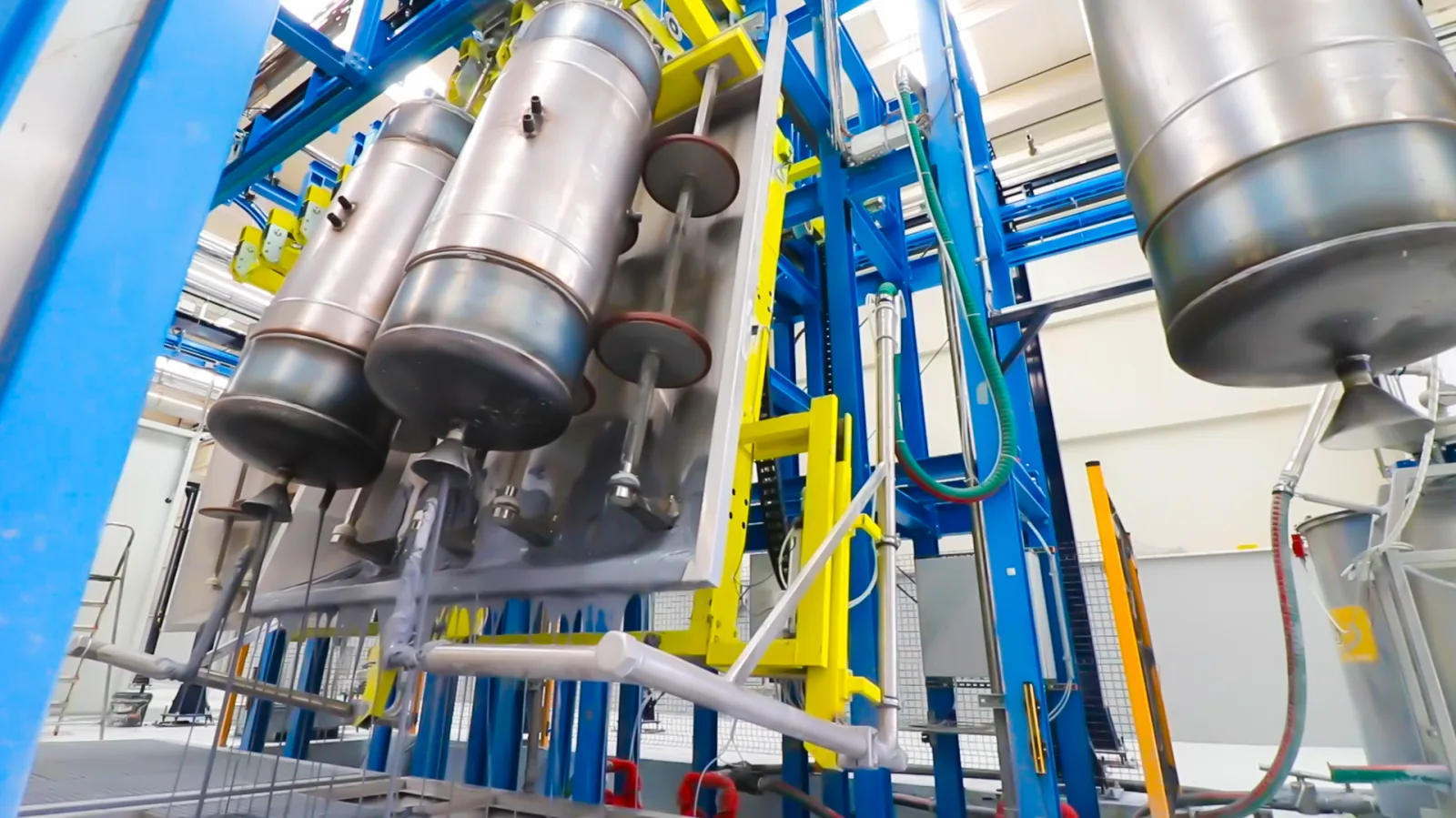
Robotik und automatisierte Linien übernehmen die sich wiederholenden und gefährlichen Arbeitsschritte und liefern gleichbleibende Ergebnisse bei minimalen menschlichen Fehlern. Das deutlichste Beispiel ist die Beschichtung: Roboterarme mit Präzisionssensoren tragen eine gleichmäßige Emaillierung auf – und Gleichmäßigkeit ist hier keine Äußerlichkeit. Sie bestimmt die Korrosionsbeständigkeit und Lebensdauer eines Warmwasserspeichers oder Pufferspeichers, sodass die Konstanz in diesem einen Prozessschritt die Produktqualität unmittelbar prägt.
Automatisierte Linien steuern außerdem die Materialhandhabung bis zur Montage, verringern Stillstände und steigern den Durchsatz. Da diese Systeme laufend Daten erfassen, erfolgt die Qualitätskontrolle in Echtzeit: Abweichungen werden sofort erkannt und Prozessparameter angepasst, bevor sich Fehler und Ausschuss anhäufen. KI-gestützte IoT-Überwachung ergänzt dies um vorausschauende Wartung und meldet Anlagenprobleme, bevor sie zu Ausfällen werden – was durch die Automatisierung der gefährlichen Tätigkeiten auch die Arbeitssicherheit verbessert.
Welche digitalen Werkzeuge treiben Konstruktion und Produktentwicklung an?
Auf der Engineering-Seite haben Computer-Aided Design (CAD) und Product-Lifecycle-Management-Systeme (PLM) verändert, wie Produkte von der Idee zur Produktion gelangen. CAD ermöglicht es Ingenieuren, aus ersten Skizzen schnell detaillierte 3D-Modelle zu entwickeln, Konstruktionsfehler zu verringern und die Zeit bis zur Produktion zu verkürzen; Überarbeitungszyklen, die früher Wochen dauerten, nehmen heute Rückmeldungen und Optimierungen auf, bevor die Fertigung überhaupt beginnt.
PLM fungiert als zentrales digitales Rückgrat, das Produktdaten und Arbeitsabläufe über den gesamten Lebenszyklus verwaltet. Das verbessert die Rückverfolgbarkeit, erlaubt es den Teams, mehrere Konstruktionsvarianten parallel zu testen, und verkürzt die Reaktionszeit auf Marktveränderungen. Speziell in der Fertigung für erneuerbare Energien ermöglichen die in diese Plattformen eingebetteten Simulationsfunktionen strenge virtuelle Tests unter realistischen Bedingungen – und bestätigen die Zuverlässigkeit, bevor das erste physische Gerät gebaut wird.
Wie zahlen sich digitale Zwillinge und prädiktive Analytik aus?
Ein digitaler Zwilling – ein virtuelles Abbild einer Produktionshalle, einer Maschine oder eines Prozesses – macht aus Sensordaten umsetzbare Erkenntnisse. Hersteller können Prozessänderungen simulieren, das Verhalten von Anlagen vorhersagen und Ineffizienzen erkennen, bevor sie den realen Betrieb treffen. Prädiktive Analytik baut darauf auf: Modelle des maschinellen Lernens achten auf frühe Warnzeichen, etwa subtile Änderungen der Maschinenschwingungen, und lösen die Wartung aus, bevor ein Ausfall eintritt. Das Ergebnis: weniger Stillstände, eine längere Lebensdauer der Maschinen und fortlaufend verfeinerte Prozesse.
| Technologie | Was sie leistet | Wichtigster Nutzen | |---|---|---| | Roboter-Beschichtungszellen | Tragen Email mit sensorgeführter Präzision auf | Gleichmäßige Beschichtung, längere Lebensdauer der Speicher | | Automatisierte Produktionslinien | Steuern die Handhabung bis zur Montage | Höherer Durchsatz, weniger Stillstand | | CAD + PLM | 3D-Konstruktion plus zentrale Lebenszyklusdaten | Schnellere Entwicklung, weniger Fehler | | Digitale Zwillinge | Virtuelles Abbild von Anlagen und Prozessen | Risikofreie Simulation, frühe Fehlererkennung | | Prädiktive Analytik | Maschinelles Lernen auf Live-Sensordaten | Wartung vor dem Ausfall |
Was steht im Weg – und wie lässt es sich überwinden?
Drei Hindernisse tauchen in nahezu jedem Transformationsprojekt auf: eine Bestandsinfrastruktur, die sich der Integration widersetzt, die hohe Anfangsinvestition und eine Qualifikationslücke in der Belegschaft. Die letzte ist die hartnäckigste. Intelligente Automatisierung und fortschrittliche Analytik verlangen digitale Kompetenz, die viele erfahrene Produktionsmitarbeiter bisher nie benötigten – Weiterbildung ist daher Pflicht. Wirksame Programme kombinieren kontinuierliche Schulung, technische Workshops, Zertifizierungen und praktische Übung, und sie dienen zugleich der Mitarbeiterbindung: Beschäftigte, die einen Entwicklungsweg sehen, bleiben engagiert.
Zusammenarbeit ist der andere Hebel. Interdisziplinäre Teams aus IT-Spezialisten, Ingenieuren und Wirtschaftsstrategen verbreiten Wissen schneller und bringen bessere Lösungen hervor, und Partnerschaften mit Universitäten und Technologieanbietern halten das Fachwissen aktuell. Hersteller, die die digitale Transformation als ganzheitliche Strategie begreifen – einschließlich Kultur und Kompetenzen, nicht nur Hardware –, sind diejenigen, die das nächste Jahrzehnt der Fertigung emaillierter Speicher prägen werden.